The Hidden Evolutionary Tug of War Behind Human Childbirth Complexity
IR SUMMARY — KEY POINTS
- A comprehensive study of human pelvic architecture reveals that childbirth complexity arises from a complex evolutionary compromise rather than a singular design flaw.
- Researchers from leading academic institutions have identified specific genetic constraints that govern the structural development of the pelvis during the human life cycle.
- The findings challenge the long-held obstetrical dilemma hypothesis by demonstrating how selective pressures have shaped hip morphology across diverse populations over many millennia.
- Evolutionary biologists argue that our unique skeletal structure represents a precarious balance between efficient bipedal locomotion and the requirements for successful passage during birth.
- Future research will likely focus on how modern medical interventions and lifestyle changes might interact with these deeply embedded biological evolutionary traits moving forward.
The mystery of human childbirth has long captivated the scientific community, often framed by the concept of the obstetrical dilemma which suggests our pelvises are inherently compromised. Recent advancements in evolutionary biology have provided a much clearer picture of how our skeletal structure evolved to accommodate both upright walking and the large-brained infants characteristic of our species. By examining the genetic architecture of the human pelvis, researchers are now uncovering the nuanced trade-offs that have persisted throughout our developmental history, shedding light on the biological realities of reproduction that defined our ancestors.
Revisiting The Obstetrical Dilemma
Understanding the mechanics of the human pelvic girdle requires a deep dive into the evolutionary transition to bipedalism which fundamentally altered our ancestors' body plans. While early theories posited a simple conflict between locomotion and obstetric needs, current models suggest that the pelvic morphology is far more plastic than previously assumed by early researchers. This flexibility allows for variations that mitigate some of the inherent difficulties, yet it remains bound by strict developmental constraints that limit how much the skeletal structure can adapt to environmental or physiological pressures over short evolutionary timescales.
The study of human bone development reveals that the pelvic structure is influenced by a multitude of genetic loci that function in concert to determine overall breadth and curvature. Scientists have identified that natural selection acts not on the pelvis as a single unit, but rather on the complex interplay of developmental pathways that regulate bone growth from infancy through adulthood. This multi-factorial approach explains why there is significant variation in pelvic shapes across different human populations, suggesting that there is no singular optimal shape but rather a range of functional possibilities.
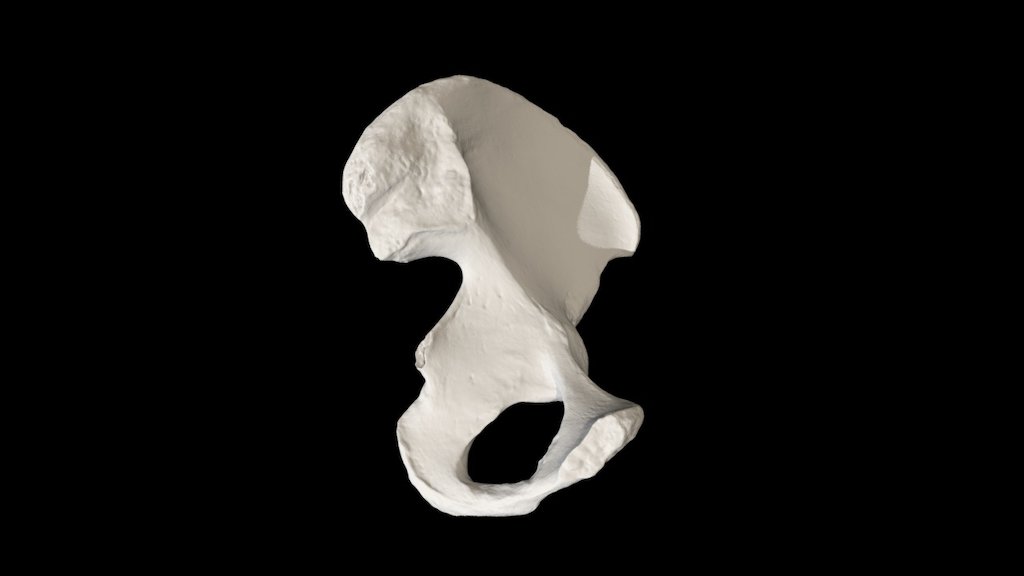
The human pelvis is the result of a delicate evolutionary trade-off between the biomechanical requirements of bipedal walking and the necessities of childbirth.
Genetic Drivers Of Development
Comparative biology offers a unique perspective on our current situation by placing human anatomy alongside other mammals that have faced similar reproductive challenges throughout their histories. By comparing human pelvic features to those of other primates and even mammals like bats, researchers have found surprising parallels in how different species balance the need for movement with the physical constraints of birth. This comparative approach helps debunk the myth that humans are uniquely ill-designed, highlighting instead the persistent evolutionary pressures that define successful reproduction in species with large cranial capacities and narrow birth canals.
The long-standing debate over the so-called obstetrical dilemma often suffers from a misunderstanding of how evolution operates over immense periods of time, ignoring the role of genetic stability. While it is true that childbirth remains a rigorous physiological event, new evidence indicates that humans possess a remarkable degree of skeletal adaptation that facilitates birth in most cases. The perceived bottleneck is often an oversimplification of complex morphological data, failing to account for the dynamic changes that occur during the final stages of pregnancy to accommodate the passage of the fetal head.
Lessons From Comparative Anatomy
Technological advancements in imaging and genomic sequencing are now allowing experts to map the precise genetic markers that influence pelvic development with unprecedented accuracy and detail. These tools are revealing how specific alleles interact with environmental factors to produce the wide variety of anatomical structures seen in modern humans today. By moving beyond descriptive anatomy, scientists can now quantify the selective pressures that have maintained the current form, providing a robust empirical framework that moves us past the speculative debates that dominated the field throughout the twentieth century.
Genetic architecture studies suggest that pelvic morphology is determined by a wide array of loci rather than a single evolutionary bottleneck point.
As we continue to analyze the interplay between locomotion and childbirth, it becomes evident that the trade-off is not merely a biological error but a testament to our evolutionary success as a species. The ability to maintain bipedal efficiency while supporting successful reproduction has been one of the defining features of our lineage, allowing for the development of complex cognitive abilities. This balance is fragile, certainly, yet it has proven remarkably resilient in the face of shifting environmental demands, demonstrating the subtle efficacy of natural processes in sculpting the human form over millions of years.
Future Of Evolutionary Medicine
Looking toward the future, the integration of evolutionary studies with modern obstetrics could lead to a better understanding of individual variations and potential health risks during labor. By acknowledging the evolutionary constraints that dictate our anatomy, clinicians may be better equipped to provide personalized care that respects the biological history of the patient. The story of human childbirth is not one of design failure, but rather a compelling example of how evolution navigates the complex demands of survival, reproduction, and the biological heritage that we all carry within our bones.
KEY TAKEAWAYS
Comparative analysis of mammalian biology shows that large-brained species across the globe have developed complex solutions for the passage of offspring.
Recent research indicates that human pelvic structure is significantly more plastic and adaptable than previous biological theories had initially proposed.