

Philippines Battles Localized Bird Flu Outbreak in Oriental Mindoro Province
DNI SUMMARY — KEY POINTS
- The Philippines has officially reported a new outbreak of highly pathogenic H5N1 avian influenza within a backyard poultry flock located in Oriental Mindoro.
- The World Organisation for Animal Health confirmed the detection of the virus in a small group of 39 birds based in Calapan town.
- Agricultural authorities in the Philippines initiated immediate culling procedures for the affected birds to prevent the potential spread of the contagion among livestock.
- Local monitoring agencies have successfully concluded containment and surveillance operations within the designated zones to ensure no further transmission remains in the area.
- Global health experts continue to monitor avian influenza closely due to its history of disrupting supply chains and the theoretical risk of human transmission.
The Philippines has confirmed an outbreak of highly pathogenic H5N1 avian influenza among backyard birds in the Oriental Mindoro province. The discovery of the virus prompted an immediate response from the World Organisation for Animal Health, which monitors significant veterinary threats across the globe. Authorities acted swiftly to manage the situation, focusing on a specific flock that had been identified as positive for the virus. This event highlights the ongoing vigilance required within the agricultural sector to maintain food security and public health standards during global disease cycles.
Outbreak Detected in Backyard Flock
The viral strain in question, H5N1, has been a major point of concern for international governments and the agricultural industry for several years. Recent history has shown that such outbreaks can ravage poultry populations, leading to significant economic repercussions and disruptions in the global food supply chain. By proactively managing the situation in Calapan, the Bureau of Animal Industry aimed to mitigate the potential for broader regional outbreaks. The management of these biological risks is essential to preventing the escalation of localized incidents into widespread crises.
In the affected town of Calapan, a flock consisting of 39 poultry was identified as the source of the H5N1 infection. Following standard safety protocols, all birds in the immediate vicinity were culled to prevent further transmission. The Department of Agriculture supervised these actions, ensuring that the containment efforts adhered to international veterinary standards. Such measures are considered the frontline of defense against avian influenza, which remains a persistent threat to both rural livelihoods and the stability of the larger poultry market across the Southeast Asian region.
The highly pathogenic H5N1 virus was identified in a small backyard poultry flock consisting of 39 birds in Calapan.
Rapid Response and Containment Strategies
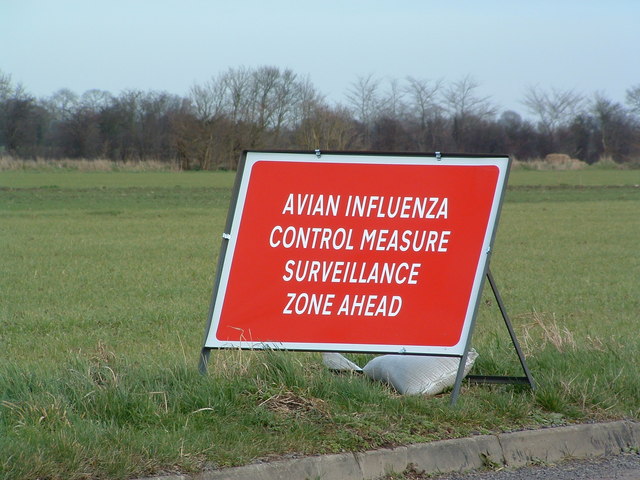
Following the initial detection, the local authorities implemented rigorous containment strategies to secure the surrounding area. These measures included a 1-kilometer and 7-kilometer containment zone where surveillance teams monitored for any signs of lingering viral activity among nearby flocks. This structured response by the Philippine government is designed to provide clear boundaries for the outbreak and to reassure both consumers and trade partners regarding the safety of the local poultry supply. Rapid containment is crucial when dealing with highly contagious viral strains that can jump across farm boundaries.
Surveillance efforts have yielded promising results, as the specific incident in Calapan has now been declared closed by the responsible monitoring agencies. The success of this containment operation reflects a high level of preparedness and the efficacy of existing animal health protocols within the province. Maintaining such standards is vital for the poultry industry, which often faces significant scrutiny during reports of pathogenic outbreaks. The focus remains on proactive monitoring to detect any future clusters before they grow into larger, more damaging events for the local agricultural economy.
Surveillance Success Marks Case Closure
Avian influenza continues to represent a complex challenge for public health and agricultural experts who worry about the potential for zoonotic transmission. While the current incident in the Philippines was confined to a small backyard operation, the global context of the H5N1 virus suggests that vigilance cannot be relaxed. Researchers and government bodies continue to share data through platforms like the WOAH to ensure a synchronized global response to the movement of migratory birds, which often act as vectors for these highly pathogenic viral strains.
Philippine authorities successfully contained the outbreak by conducting surveillance within a 1-kilometer and 7-kilometer radius of the infection site.
The economic impact of bird flu is not limited to the culling of flocks but extends to the broader market fluctuations that follow such announcements. Higher food prices and increased costs for producers are typical consequences when major outbreaks occur, placing a burden on both farmers and consumers. By managing the outbreak in Oriental Mindoro effectively, the local administration has worked to isolate the economic damage and maintain consumer confidence. This type of intervention is a cornerstone of responsible governance in the face of unpredictable environmental and biological hazards.
Future Outlook on Avian Safety
Future strategies for avian influenza management in the region will likely emphasize the importance of early detection and rapid response systems. As the migratory paths of waterfowl continue to influence the spread of these viruses, domestic surveillance will remain the primary tool for protecting the nation's agricultural assets. Integrating advanced veterinary support and community-based monitoring is essential for maintaining the long-term safety of the poultry sector. The Philippine experience in this latest incident provides a blueprint for managing small-scale outbreaks before they pose a significant threat to wider national interests.
KEY TAKEAWAYS
The World Organisation for Animal Health continues to track H5N1 due to its significant history of disrupting global poultry supply chains.
Monitoring agencies have officially closed the Calapan case after finding no further evidence of viral transmission in the region.